
Spray drone sales fell 59% in 2025. Now dealers are asking the FCC to leave Part 137 drones alone.
New US spray drone sales dropped from about 8,950 to about 3,711 last year, even as sprayed acres jumped. The industry's dealer group wants Part 137 drones kept out of the FCC's proposed "military-grade" ban, plus two years of spare parts.
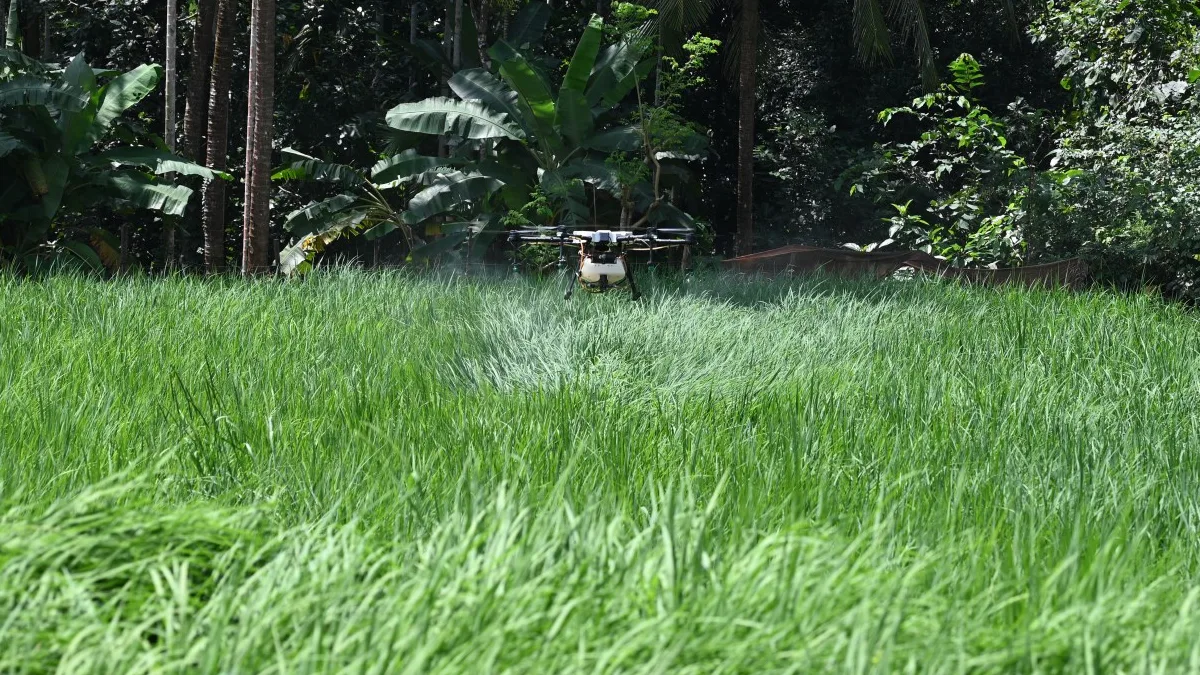
Fewer new spray drones were sold in the US last year than the year before. A lot fewer. According to the American Spray Drone Coalition (ASDC), new sales fell from about 8,950 aircraft in 2024 to about 3,711 in 2025. That is a drop of roughly 59%.
At the same time, more acres were sprayed by drone than ever. The coalition says the problem was supply, not demand. Now it is asking the Federal Communications Commission (FCC) not to make supply tighter still.
Why sales fell
The ASDC is a group of spray drone distributors. It says its members handle nearly 80% of US sales. It blames one thing above all: starting in October 2024, US Customs and Border Protection held DJI shipments at the border under the Uyghur Forced Labor Prevention Act. DJI says the forced-labor claims are false.
ASDC president Eric Ringer told AgFunderNews that the drop came from a lack of supply, not a lack of demand.
The coalition's other numbers back that up:
- Acres sprayed by drone rose 58.7%, to more than 16.4 million acres.
- FAA-approved Part 137 drone operators rose 58.3%, to 1,710. Acres per operator held about level, near 9,600.
- Price per acre fell 38%, from about $21 to about $13. ASDC members blame crews spraying without a Part 137 certificate and undercutting legal operators, especially in the Corn Belt.
These are industry estimates. The survey went to Part 137 certificate holders, and the unit counts came from manufacturer and distributor interviews and public statements, not customs records.
Who sold instead
Blocking DJI did not end Chinese sales. It moved buyers to other Chinese brands, mainly XAG and EAVision. By ASDC's count, Chinese aircraft fell from 93.52% of US spray drone sales in 2024 to 75.75% in 2025. Aircraft ASDC counts as American-made nearly quadrupled their share, to 24.25%.
Price still matters to buyers. In the survey, 49% of operators said they would pay no extra for an American-made drone, and 41% said they would pay up to 25% more. Productivity ranked as the top buying factor.
The FCC proposal that worries the industry
On July 21, 2026, two FCC offices released a proposal (Public Notice DA 26-758, PS Docket 26-189). It would treat certain foreign-made drones on the FCC's Covered List as "military-grade" and stop new imports and sales of them.
One of the seven categories is any drone that can dispense an "economic poison." That is the FAA's own Part 137 term for pesticides, defoliants and drying agents. In plain terms, it covers every foreign-made spray drone.
Here is what the proposal says, if adopted:
- Imports and sales of covered aircraft and critical parts would stop 180 days after the final decision is published in the Federal Register.
- Drones already in use could keep flying.
- US-made aircraft would not be affected.
Public comments closed September 2. As of November 1, we found no sign the FCC has adopted it. For the wider buying picture, see our earlier post on buying a spray drone right now.
What the coalition asked for
In comments filed September 1, ASDC asked the FCC to:
- Exclude Part 137 spray drones from the military-grade list and give the industry a multi-year transition.
- Guarantee a two-year parts window after any ban, so operators can keep importing flight controllers, motors, batteries and repair modules for drones bought legally beforehand. The coalition counts more than 15,000 spray drones in US service and says a typical package costs over $40,000.
- Audit parts imports so no one assembles new aircraft from "spare parts."
- Use tariff money for a rebate to buyers of American drones, and favor data-security rules over hardware bans.
The Texas Farm Bureau made a similar parts argument in January, after the FCC added foreign-made drones to its Covered List in December 2025.
What this means for your operation
Nothing changes today. The proposal is not final, and your current aircraft stay legal to fly. The risk is in parts, batteries and replacement aircraft down the road.
- Watch the Federal Register. If the FCC adopts the rule, the publication date starts the 180-day clock on new imports. We will track it on our Regulatory Monitor.
- Plan for parts. Ask your dealer what they stock in your state, and what they would do if imports stopped. Budget for the batteries and wear parts you go through in a season.
- Keep your paperwork current. Unlicensed crews are pushing prices down. A valid Part 137 certificate is what separates your business from theirs.
- Price the whole life of a new drone, not just acres per hour. Who will support it in two years matters as much as how fast it sprays.
Research basis: American Spray Drone Coalition (ASDC) figures and its September 1, 2026 comments in FCC PS Docket 26-189, as reported by DroneXL (October 21 and 23, 2026) and AgFunderNews (interview with ASDC president Eric Ringer); FCC Public Notice DA 26-758 (released July 21, 2026) and its Federal Register notice, 91 FR 48870 (August 3, 2026); FCC Order DA 26-892 (comment deadline kept at September 2). We did not see the ASDC survey or filing directly; figures are ASDC's and are estimates. AgFunderNews rounds the sales drop to 60%; the unit counts (8,950 to 3,711) work out to about 59%. As of our check on November 1, 2026, we found no report that the FCC had adopted the proposal. Checked November 1, 2026.
Educational information only, not legal, agronomic or insurance advice. Verify current FAA, EPA, state and label requirements before acting.