
The FAA proposed a $289,215 penalty over 15 fertilizer drone flights. Here is what it means for you.
In August the Federal Aviation Administration proposed a $289,215 civil penalty against a Washington drone company over 15 fertilizer flights. It is a reminder that spreading fertilizer for hire needs the same federal paperwork as spraying.
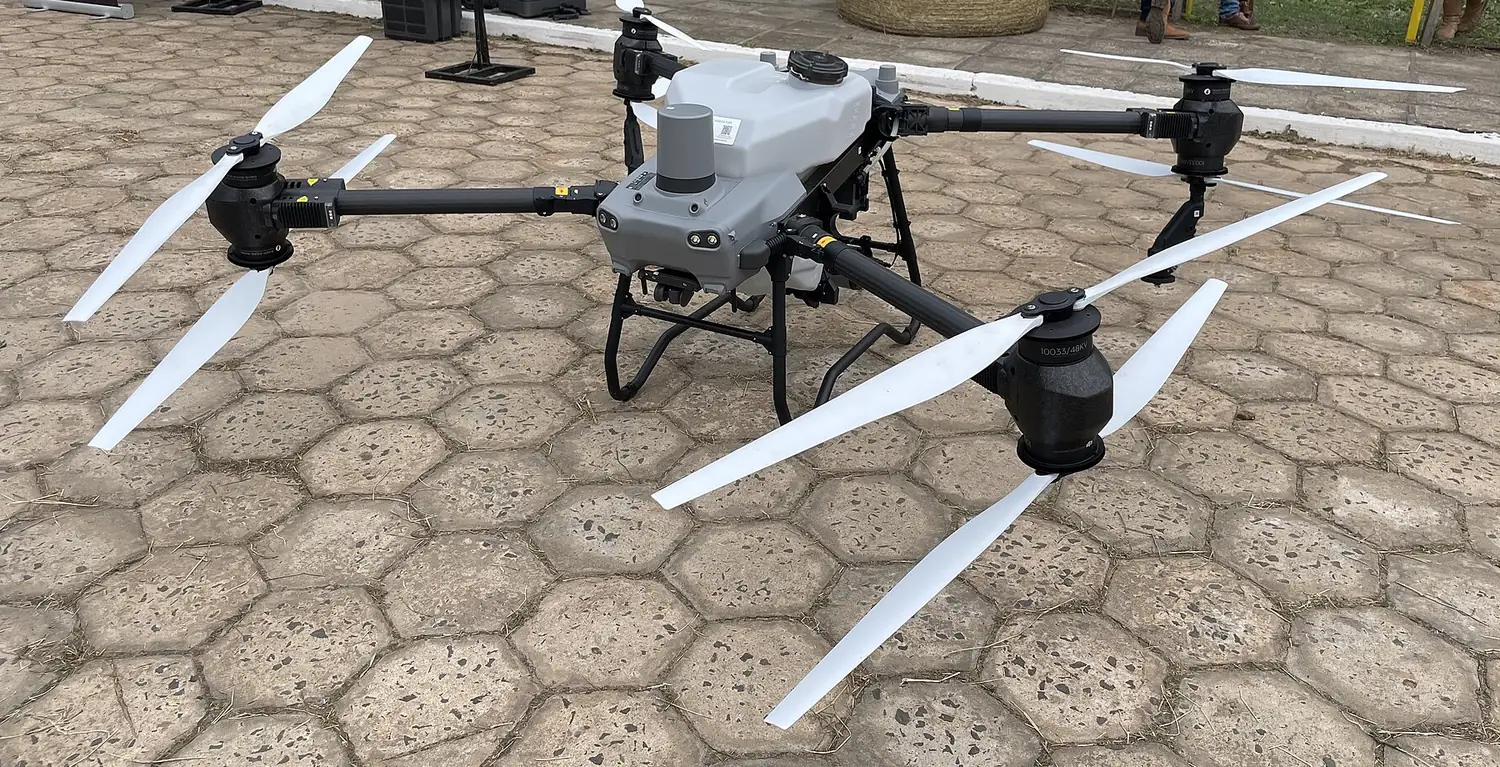
In August, the Federal Aviation Administration (FAA) proposed a $289,215 civil penalty against Gorge Drones, a company in Stevenson, Washington. The FAA says the company flew a drone 15 times to spread fertilizer without the approvals that work requires.
If you fly a spray or spread drone for hire, the case is worth five minutes of your time.
What the FAA says happened
The FAA announced the proposed penalty on August 7. According to its release, the company:
- flew a drone on 15 occasions to dispense fertilizer without an agricultural aircraft operator certificate (the Part 137 certificate)
- flew a drone that was not registered with the FAA
- flew a drone that did not have an airworthiness certificate
The flights allegedly took place on various dates in March and April 2025.
These are allegations, and the penalty is only proposed. DroneLife noted that the company can respond before the FAA issues a final order. Farms.com reported on August 11 that the company had made no public response.
The FAA release leaves a lot out. It does not name the drone, the product, or where the flights happened. It does not say which rules were broken by section number, or how the FAA arrived at the amount.
Fertilizer counts
Many operators think of Part 137 as a pesticide rule. It is broader than that. Spraying or spreading pesticide, fertilizer, seed or any other farm product for hire follows the same federal path, in every state.
A Part 107 remote pilot certificate lets you fly commercially. By itself, it does not cover dispensing.
About the "record" label
Some coverage calls this a record fine, and one report gives the amount as $289,700. The FAA's own release says $289,215 and does not call it a record. We could not find a source for the comparison, so we are not using the label.
What to check before your next dispensing flight
Our Part 137 guide walks through each step with costs and timing. In short:
- Make sure every pilot in command holds a current Part 107 certificate.
- Register every aircraft, and meet Remote ID. Under 55 pounds, registration is online and takes a day. At 55 pounds or more, it goes through the FAA Registry, which on October 21 was about 15 weeks behind. Start early.
- Get your Section 44807 exemption. You must file at least 120 days before you need it.
- Apply for the agricultural aircraft operator certificate. You need your exemption number first, and the name on the form must match the exemption holder.
- Read the conditions in your exemption. They spell out what applies to your aircraft.
- Keep a record of every job for at least 12 months: customer, date, product and amount, and the pilot.
What it means
The FAA has said in public that it wants to speed up enforcement of drone violations. Whatever happens in this case, the safest assumption is that fertilizer and seed flights get the same attention as pesticide work.
If you are not sure whether your operation is covered, ask the FAA or an aviation attorney before the next job, not after.
Research basis: FAA news release of August 7, 2026 (FAA Proposes $289,215 Fine Against Gorge Drones for Unmanned Aircraft System Violations); DroneLife, August 7, 2026; Farms.com, August 11, 2026; Farm Progress, October 9, 2026; FAA pages as summarized in our Part 137 guide, last verified October 21, 2026. Farm Progress gives the amount as $289,700 and calls it a record; the FAA release says $289,215 and makes no record claim, so we use the FAA figure. The FAA release on its April 2026 enforcement program is cited in our Part 137 guide and was not re-opened for this post. Checked October 23, 2026.
Educational information only, not legal, agronomic or insurance advice. Verify current FAA, EPA, state and label requirements before acting.