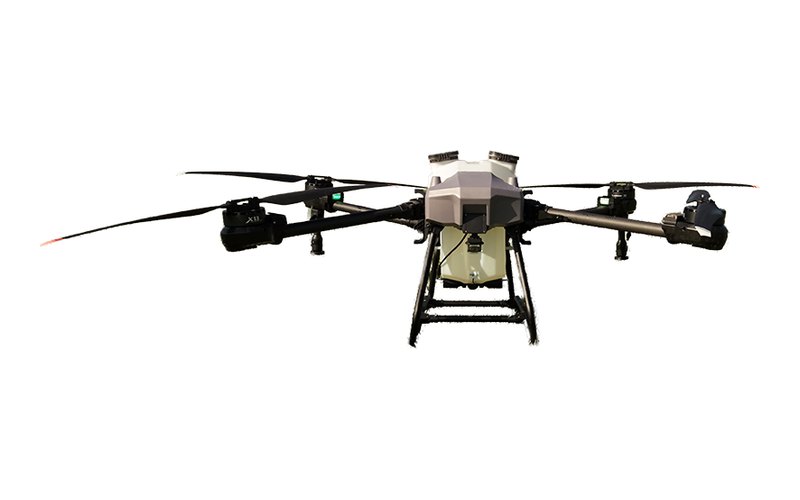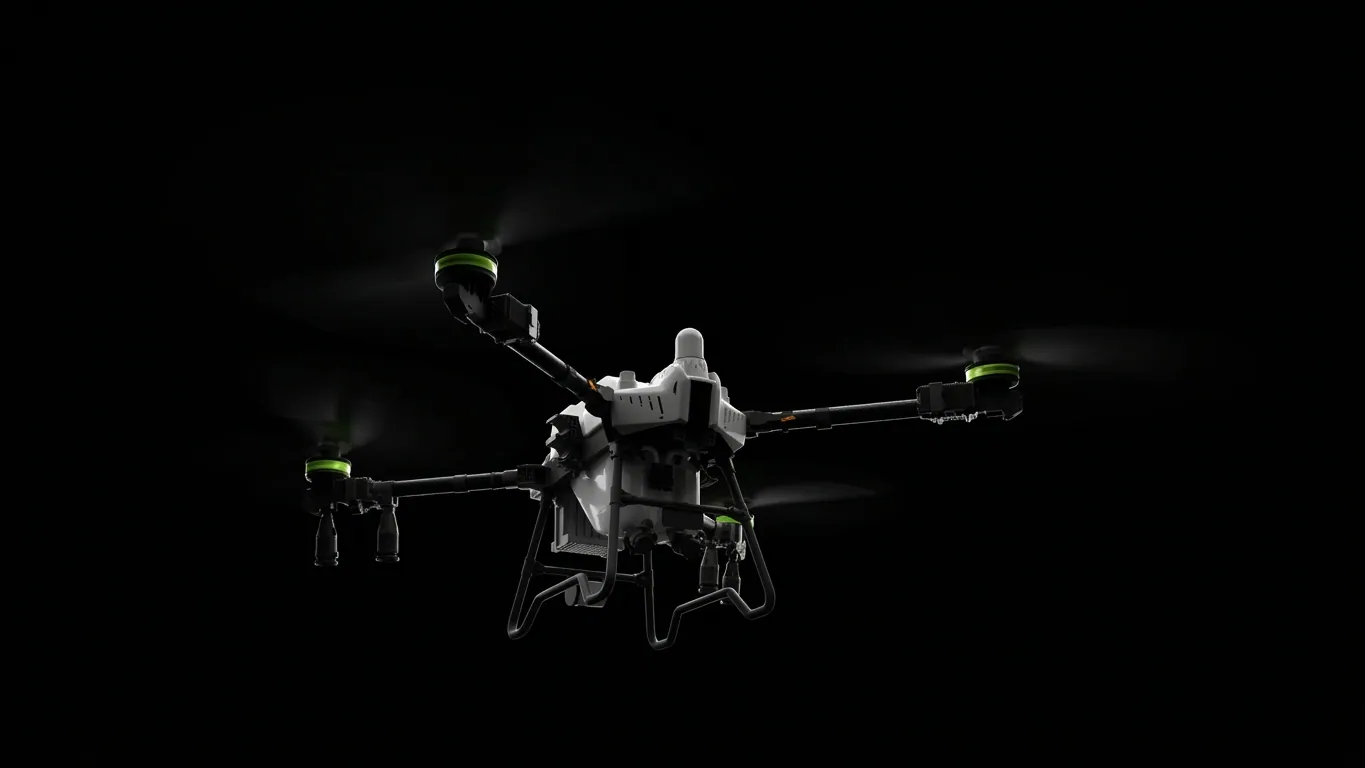
I’m thinking about buying a spray drone.
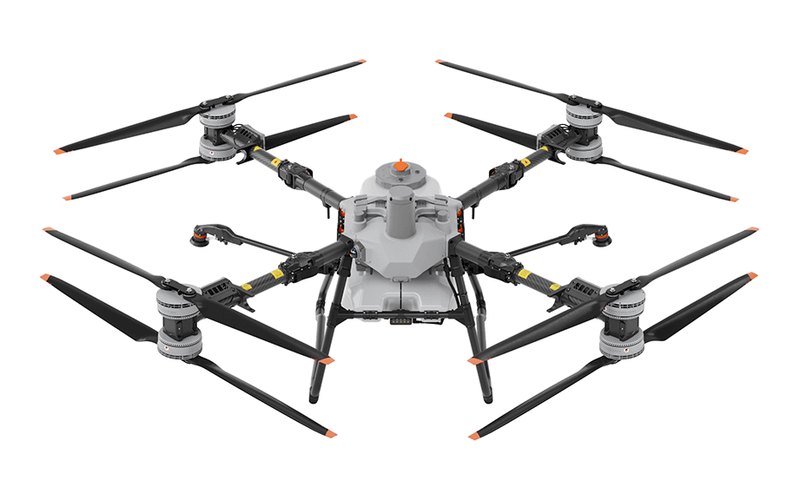
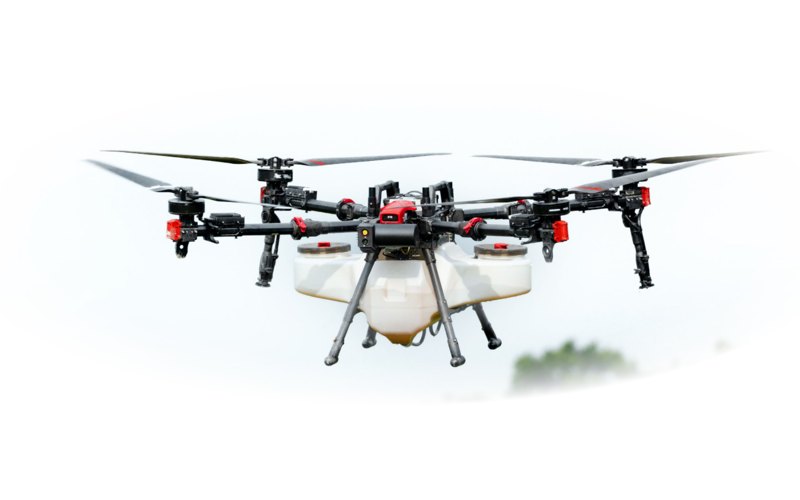
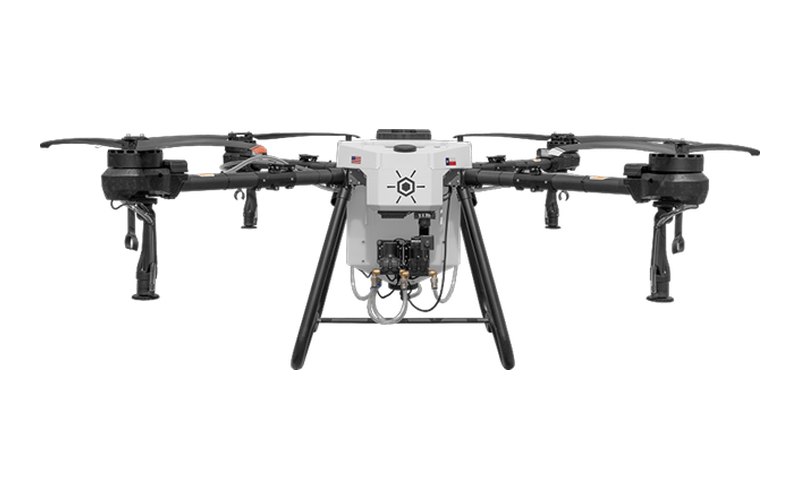
Compare tank size, price and whether you can buy it in the US.
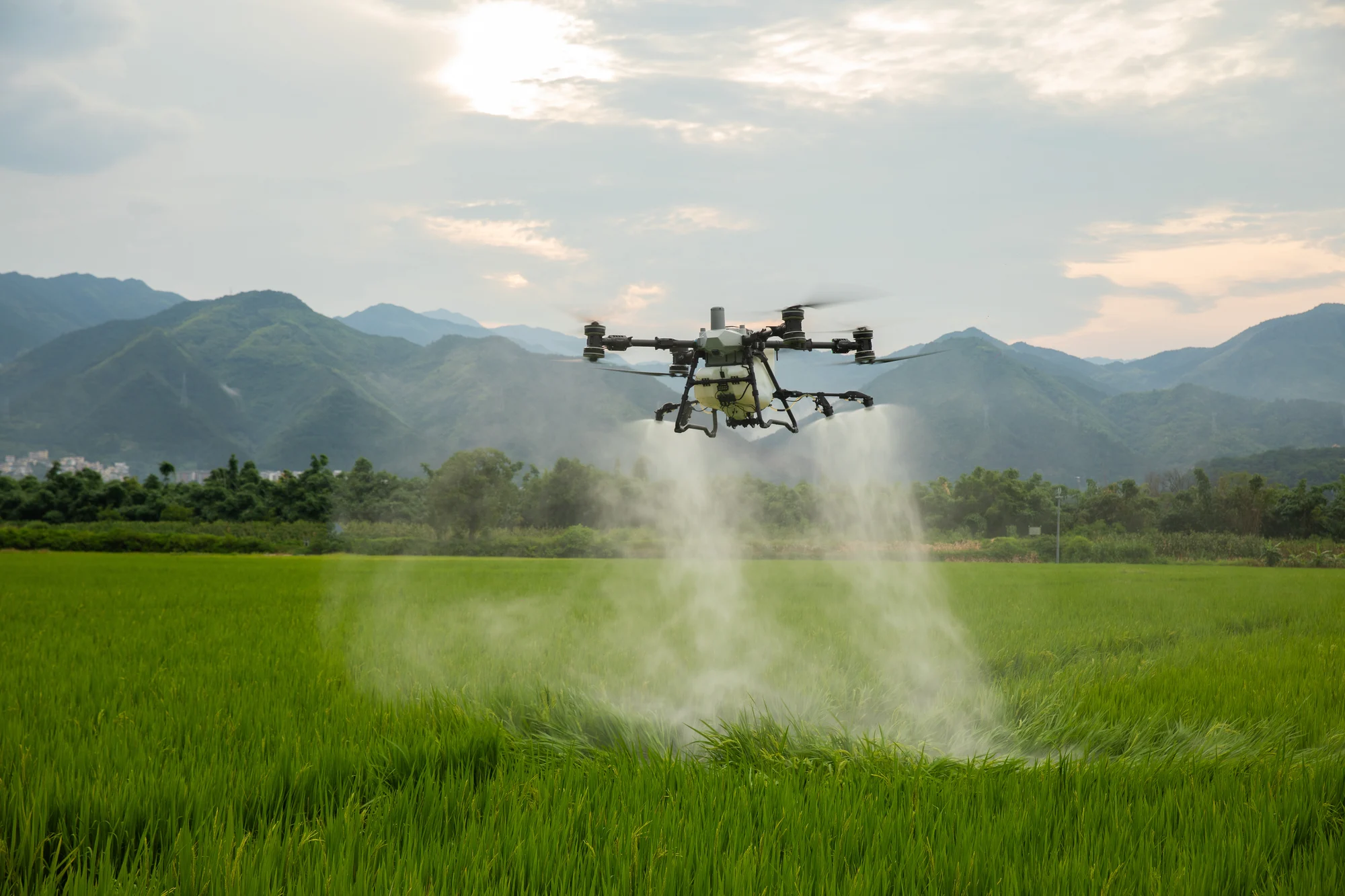
Find aircraft, field equipment, crop-input suppliers, software, insurance and training, plus a clear path from early research to legal, insured field work.
Pick the one closest to you. Every link goes to a free guide or tool.
Compare tank size, price and whether you can buy it in the US.
The federal and state steps, with costs and timelines.
Find FAA-granted operators near you, on one map.
FCC, tariff and FAA rules in plain English, with sources.
The FCC, tariff, Part 108 and Part 137 rules decide which spray drones you can buy, fly and afford. Regulatory Monitor tracks each one against official sources and tells you what it means and what to do now.
See Regulatory MonitorLast updated November 15, 2026
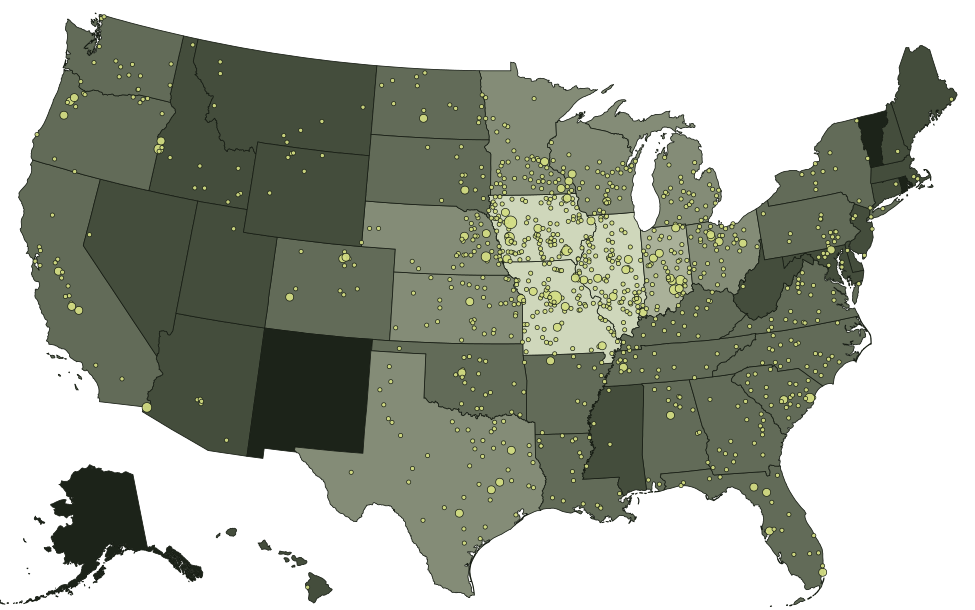
Every FAA-granted Part 137 ag drone operator we could find, on one map: 1,345 operators in 46 states. Pick a state, search by name, or sort by who is closest.
This sequence is a routing map for US operators. Requirements vary by aircraft, operation and state; confirm current rules with the FAA, EPA and your state lead pesticide agency.
Pass the knowledge exam and keep recurrent training current.
Required when aircraft plus payload is 55 pounds or more, which covers nearly all spray drones.
Apply after the exemption grant; names across records need to match.
State exams, aerial categories, business registration and insurance requirements vary.
Complete the route appropriate to aircraft weight and operating configuration.
Confirm hull, liability and chemical-application coverage, then keep every flight, application and maintenance record.
Line up 16 spray drones from 8 makers side by side. Pick up to four and compare tank size, swath width, price, launch date and whether you can buy one in the US.
“Not yet verified” means we could not confirm that figure from a manufacturer page or dealer listing. We leave it blank instead of guessing. Last checked October 16, 2026.
Stay up to date on regulation, equipment, application science and the business of agricultural drones.
All Field Notes articlesThe Missouri dealer's new 22-gallon spray drone comes with bigger pumps, its own software and a plan to build more in the US. Price, ship dates and where it's made haven't been announced.
Read full story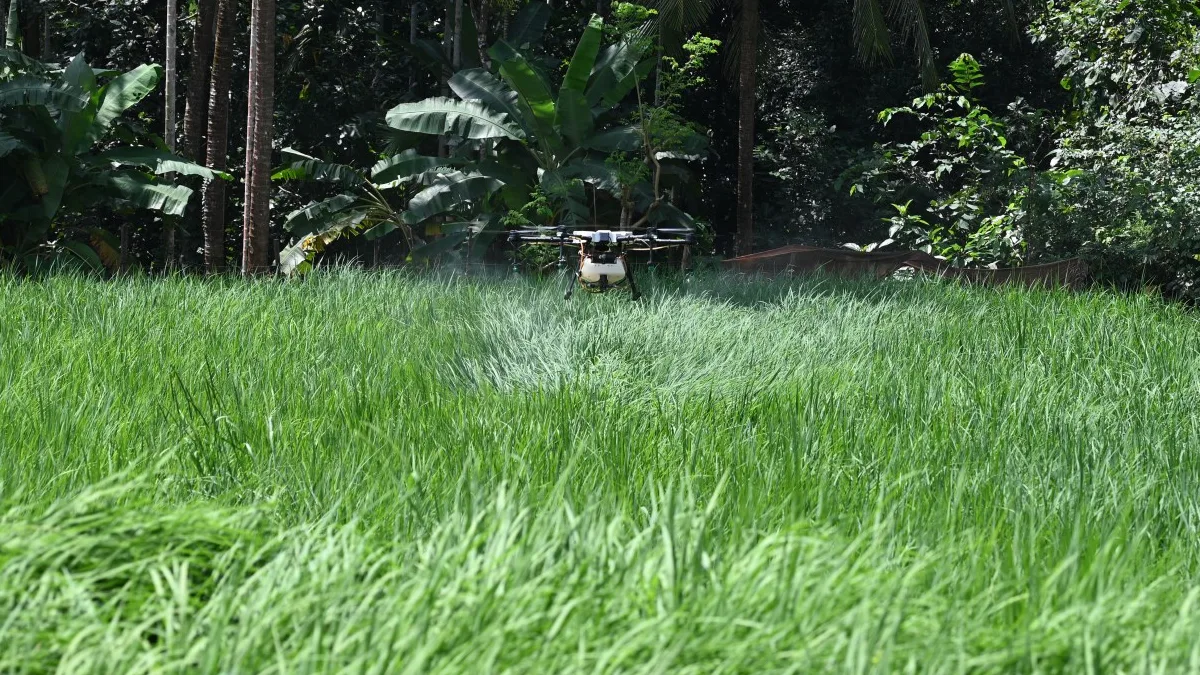 Spray drone sales fell 59% in 2025. Now dealers are asking the FCC to leave Part 137 drones alone.
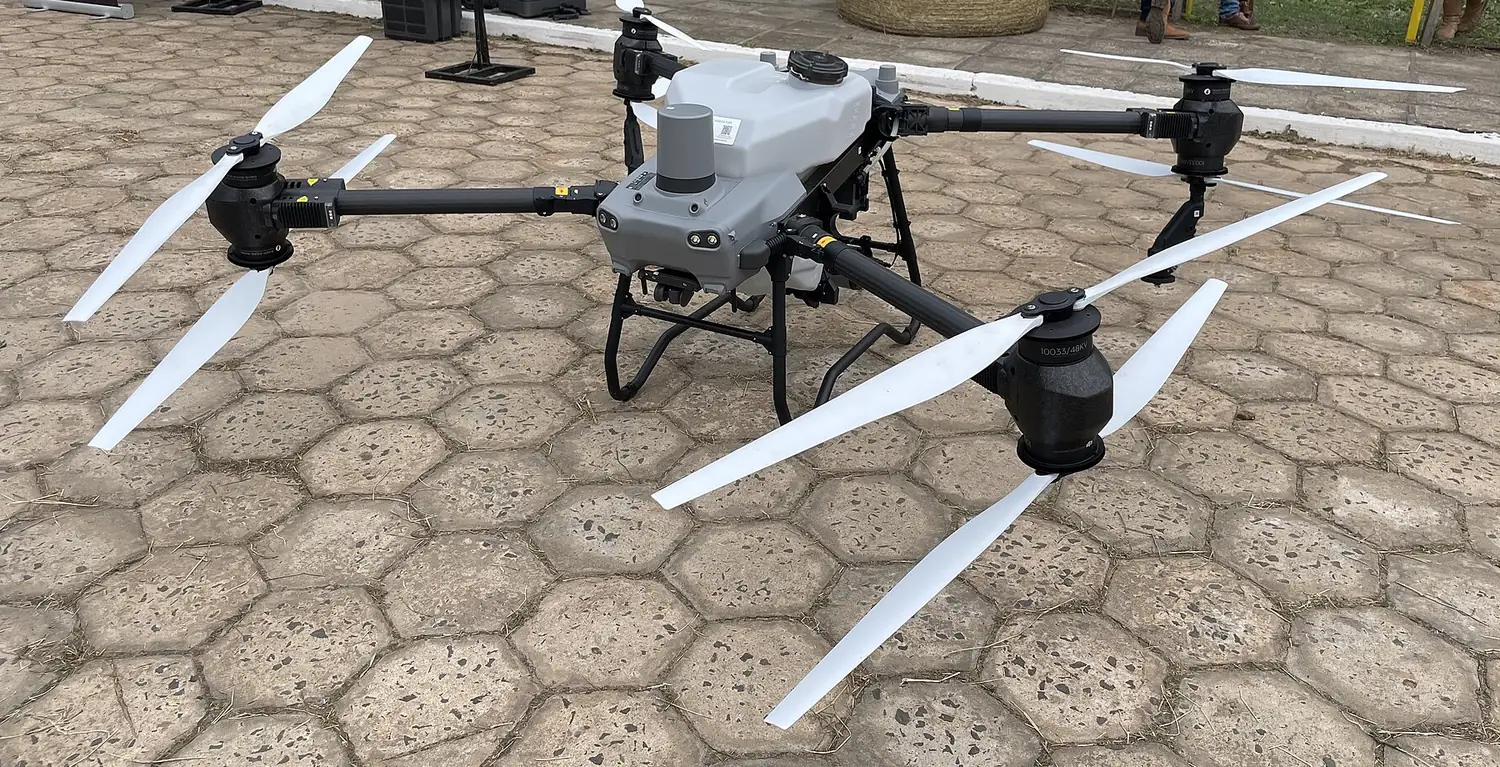 The FAA proposed a $289,215 penalty over 15 fertilizer drone flights. Here is what it means for you.
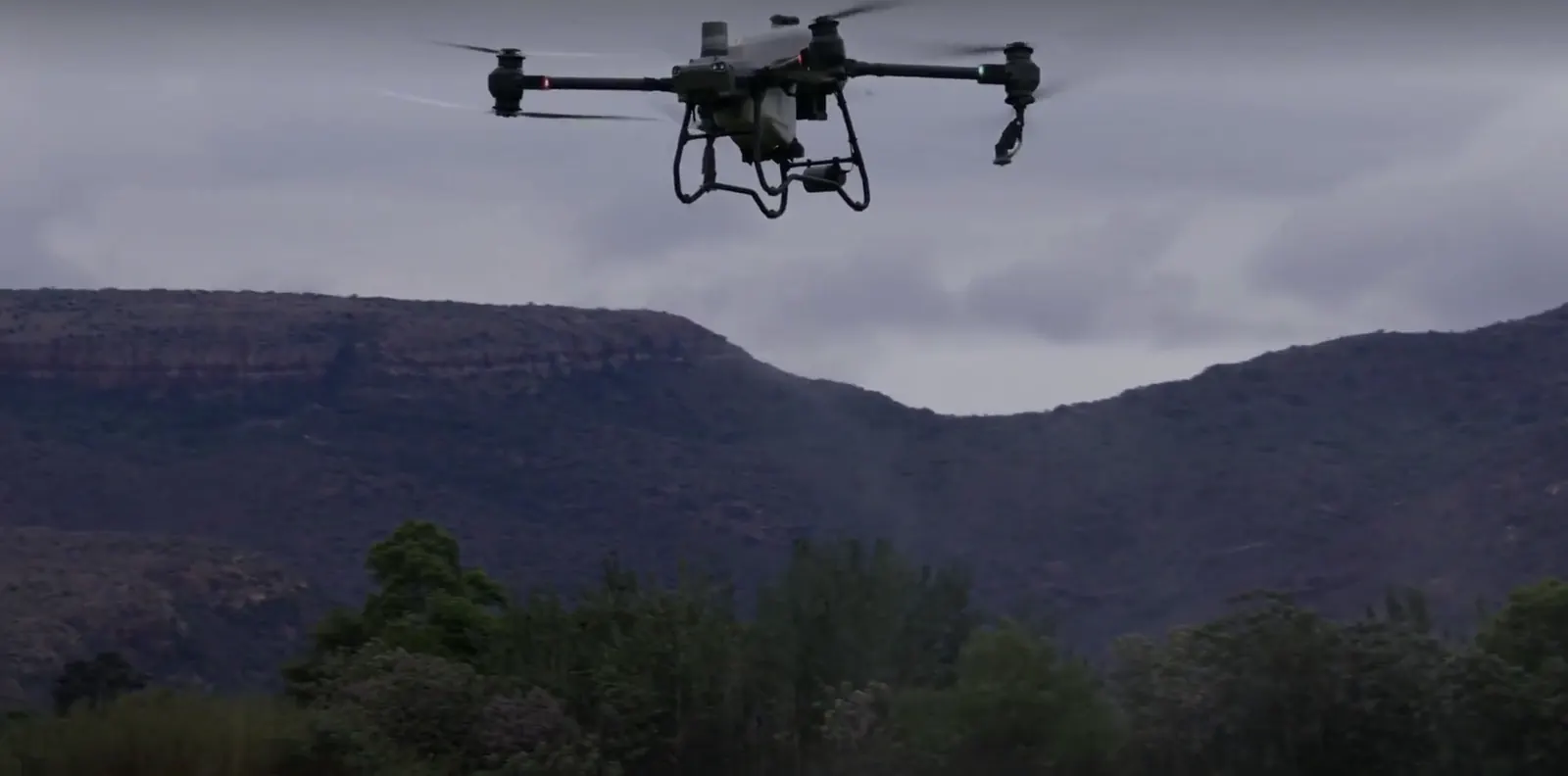 Your Mapping Flight Is Already Paid For. Here Is What Else It Can Sell.
Search 96 verified suppliers by name, category, location or region, then go straight to each company's website. Every link was reviewed October 6, 2026; closed and unverifiable businesses were removed.
An independent resource for people researching, buying and operating drones in agriculture.
Rules tracked against official sources, in plain English. Specs we could not verify are left blank, not guessed.
Listings are free. We review every request and verify the website before listing, and usually reply within a week.
Request a listingAG Drone Ops welcomes manufacturers, dealers, service providers, software companies, insurers, training organizations and field-equipment suppliers serving agricultural drone operators.
DroneLogbook Ag Edition brings spray records, maintenance history and pilot activity into one purpose-built system for agricultural operators.
Track spray logs, tank loads, field boundaries, prescriptions, application maps, pump cycles, aircraft maintenance and pilot currency.
It’s required when aircraft plus payload is 55 pounds or more, which covers nearly all spray drones. Apply for your Part 137 operator certificate after the exemption grant. The Part 137 guide walks through each step.
Since December 22, 2025, new foreign-made drone models cannot get standard FCC approval for US sale. Aircraft that held an authorization before that date can still be sold and flown. Before you buy, ask the dealer for the FCC ID and grant date, and confirm parts and support. Regulatory Monitor tracks where each rule stands.
Not automatically. Use only products whose current label permits aerial application, and confirm state restrictions before every job.
Listings are free. Send a listing request; we review every request, verify the website before listing, and reply by email, usually within a week.
No. Information is educational, not legal, agronomic or insurance advice. Prices, availability and regulatory status change.
Get Part 137 Profits, a practical guide to the FAA sequence, state pesticide licensing, insurance, equipment, pricing and the records that keep an application business ready for inspection.
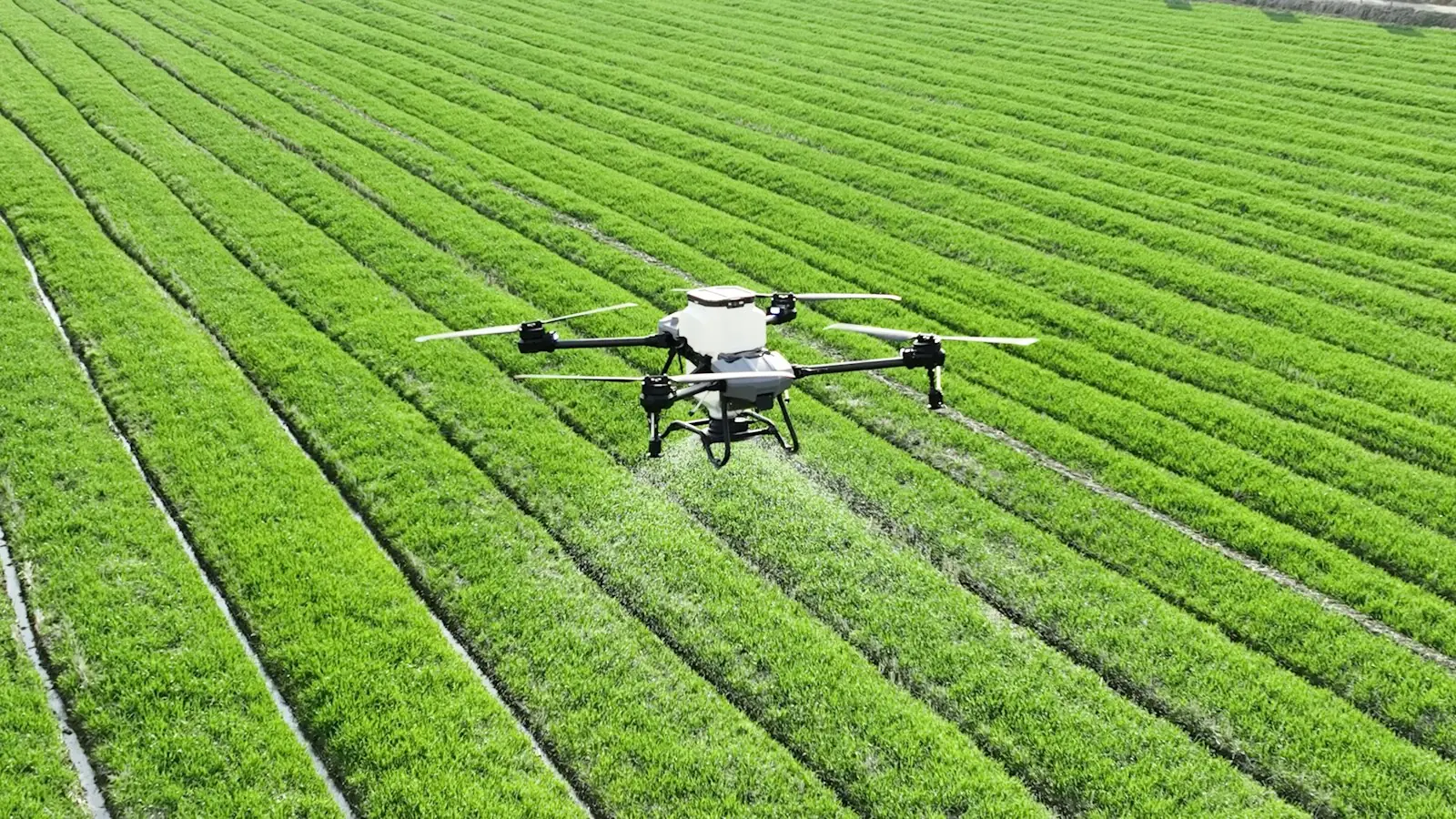
Join the AG Drone Ops newsletter for plain-English updates on the rules, equipment and deals that affect your operation. It's free, and you can unsubscribe at any time.